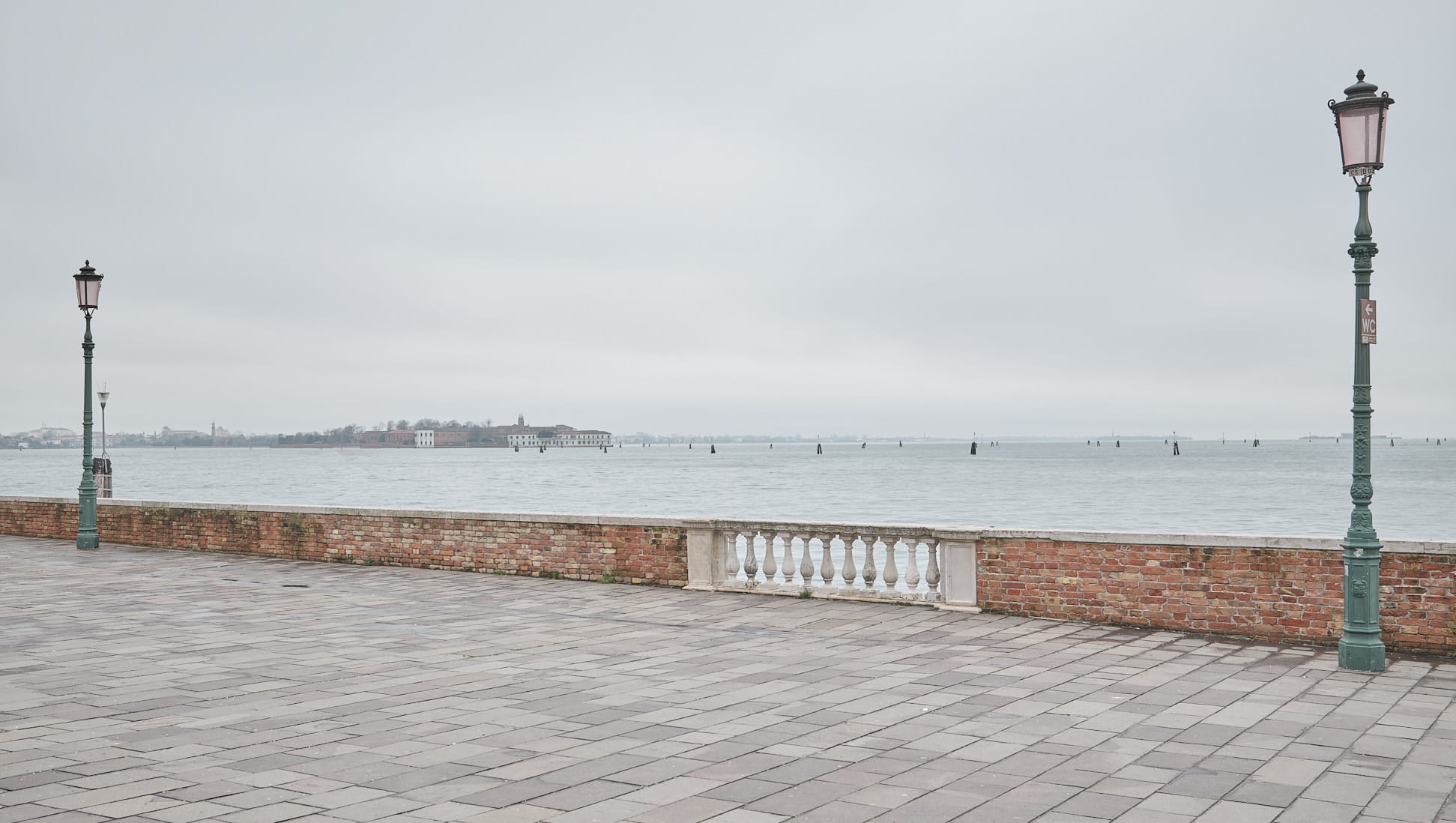
Quiet Routes — S. Anna, S. Pietro and S. Isepo
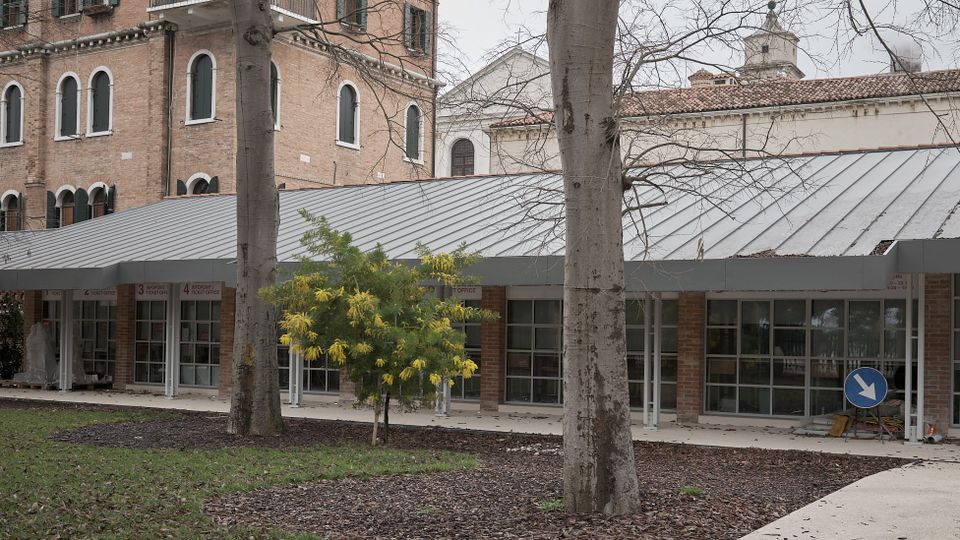
From the Giardini vaporetto stop, you enter Viale Garibaldi, Venice’s only real tree-lined avenue. At the start is the Serra dei Giardini, built in 1894 as a municipal greenhouse. Today it’s a quiet café surrounded by greenery. Across the way is the association of the bocaleri, ceramists who have worked in Venice since medieval times. If it’s open, it’s worth a quick look.
A little further along is the statue of Giuseppe Garibaldi, with a fountain full of fish and turtles. Made in 1885 by Augusto Benvenuti, it’s a small reminder of Italy after unification and Venice joining the Kingdom.
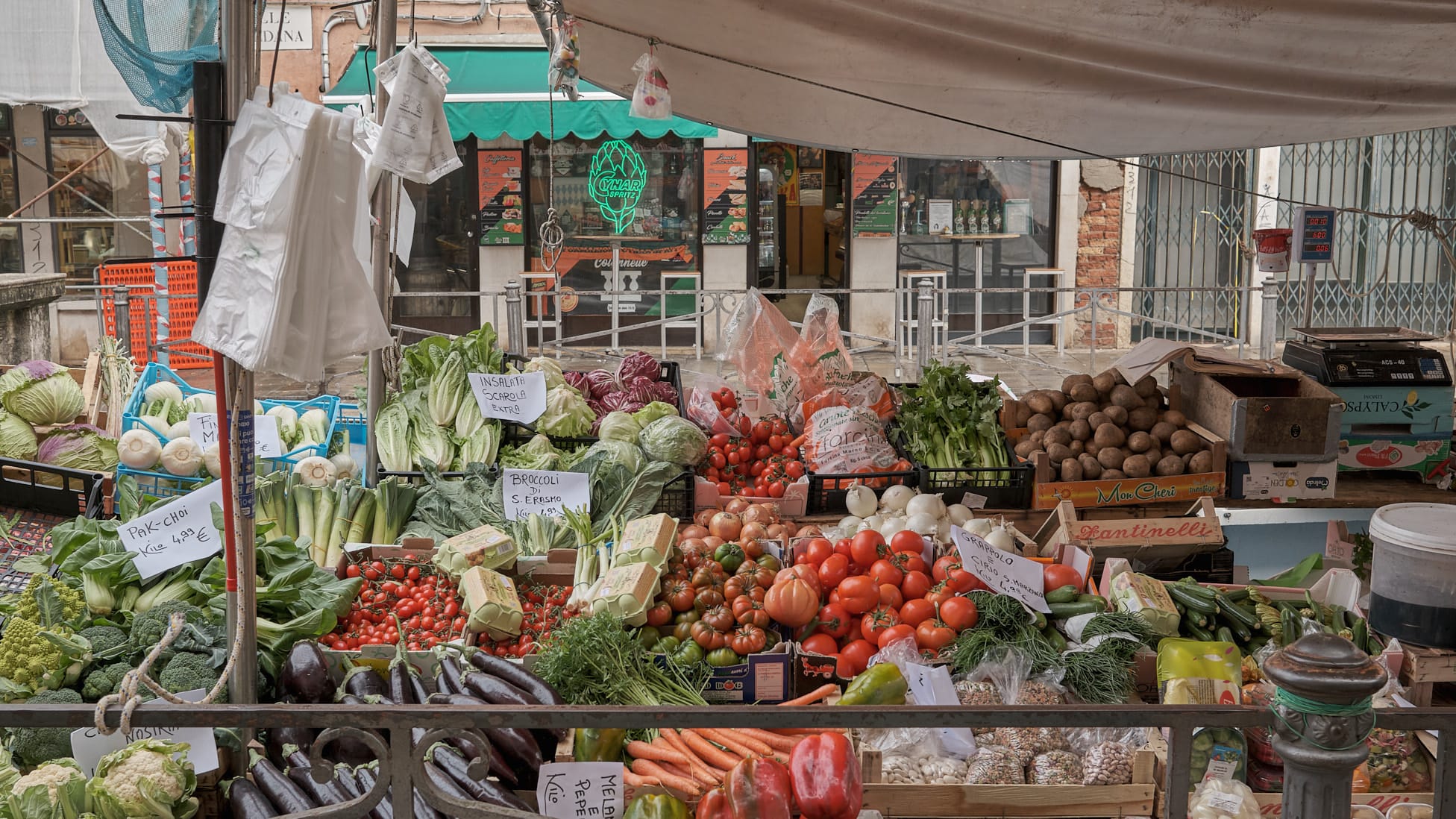
Turn right into Via Garibaldi and walk along the canal. You’ll pass one of the last fruit boats still floating in Venice. This leads to the Chiesa di Sant'Anna, now closed, but still beautiful from the outside.
Just before the church, a small bridge on the left leads toward San Pietro. A narrow calle opens into Corte Bianco, a quiet little courtyard where wisteria blooms in spring. Campo Ruga comes next, with the Sotoportego Zurlin — the lowest covered passage in Venice — on the right. Through Salizada Streta and across the long bridge, you reach the island of San Pietro.
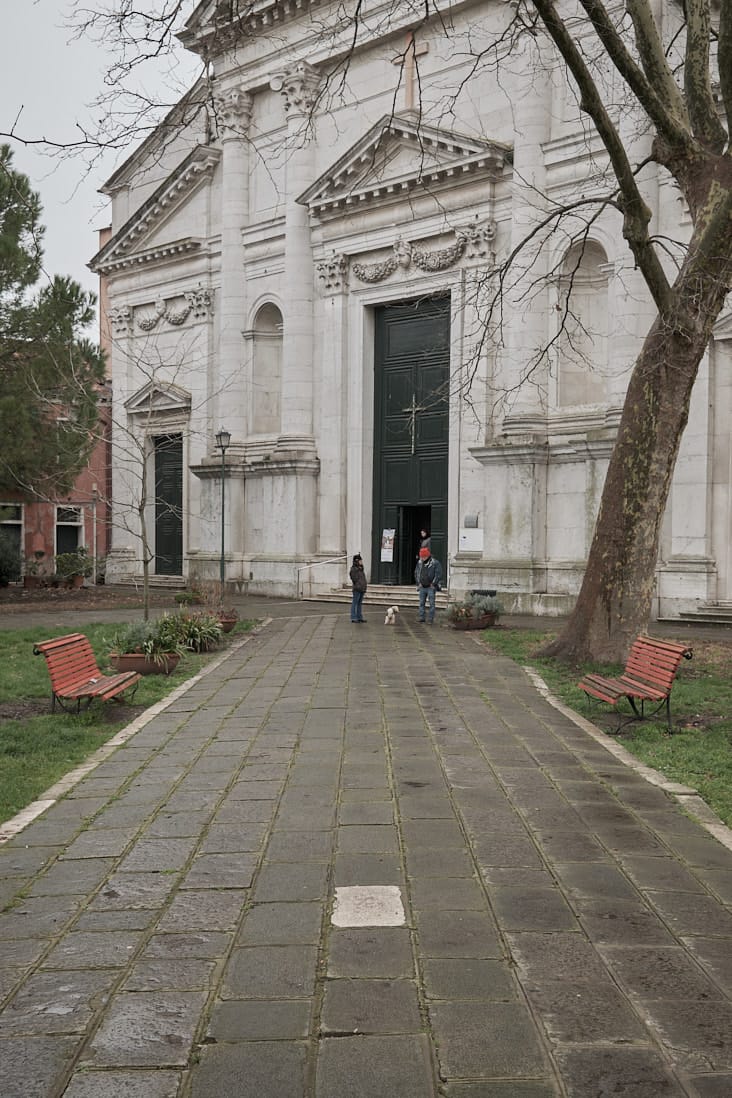
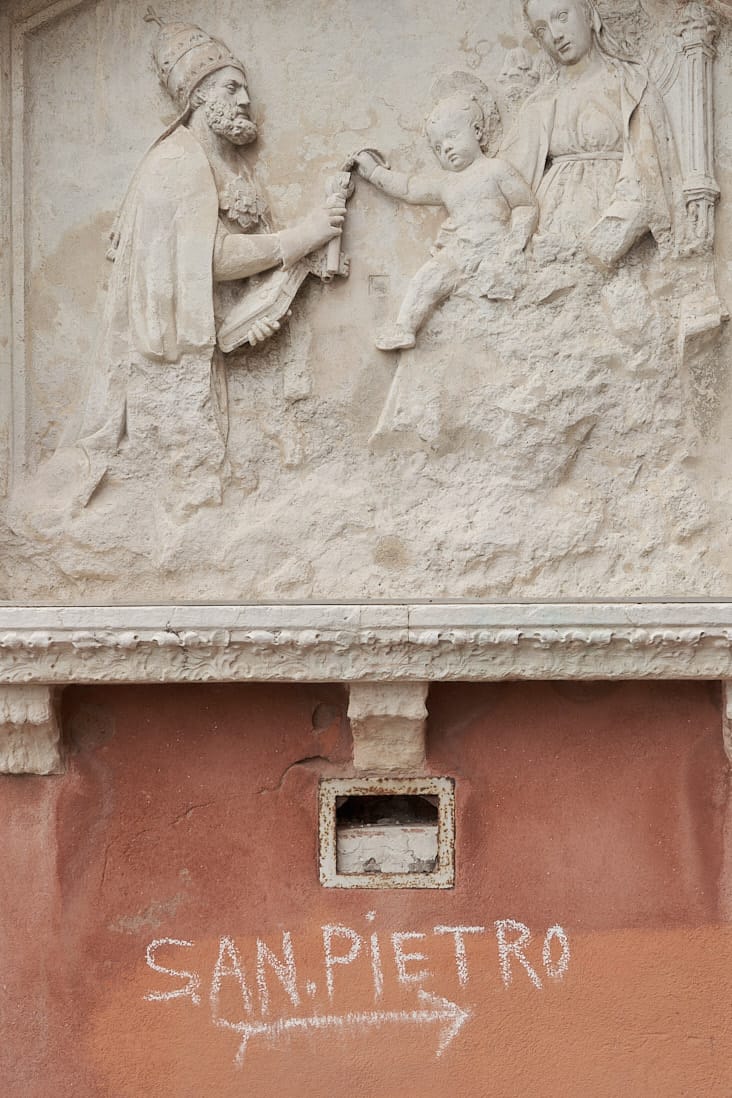
Here stands the Basilica di San Pietro di Castello, Venice’s cathedral until 1807, when the title moved to St Mark’s. It was the seat of the Patriarch. Along the way, a white stone still marks where civil and religious power once met.
The bell tower leans slightly and is completely covered in Istrian stone, the only one like it in Venice. Inside, the so-called Chair of Saint Peter — a marble throne with Arabic inscriptions, said to come from Antioch — sits alongside works by Paolo Veronese. Behind the basilica, a bas-relief shows Christ handing the keys to Peter.
Walking back toward Sant’Anna, you follow quiet fondamenta with moored boats, near the entrance to the Biennale gardens.
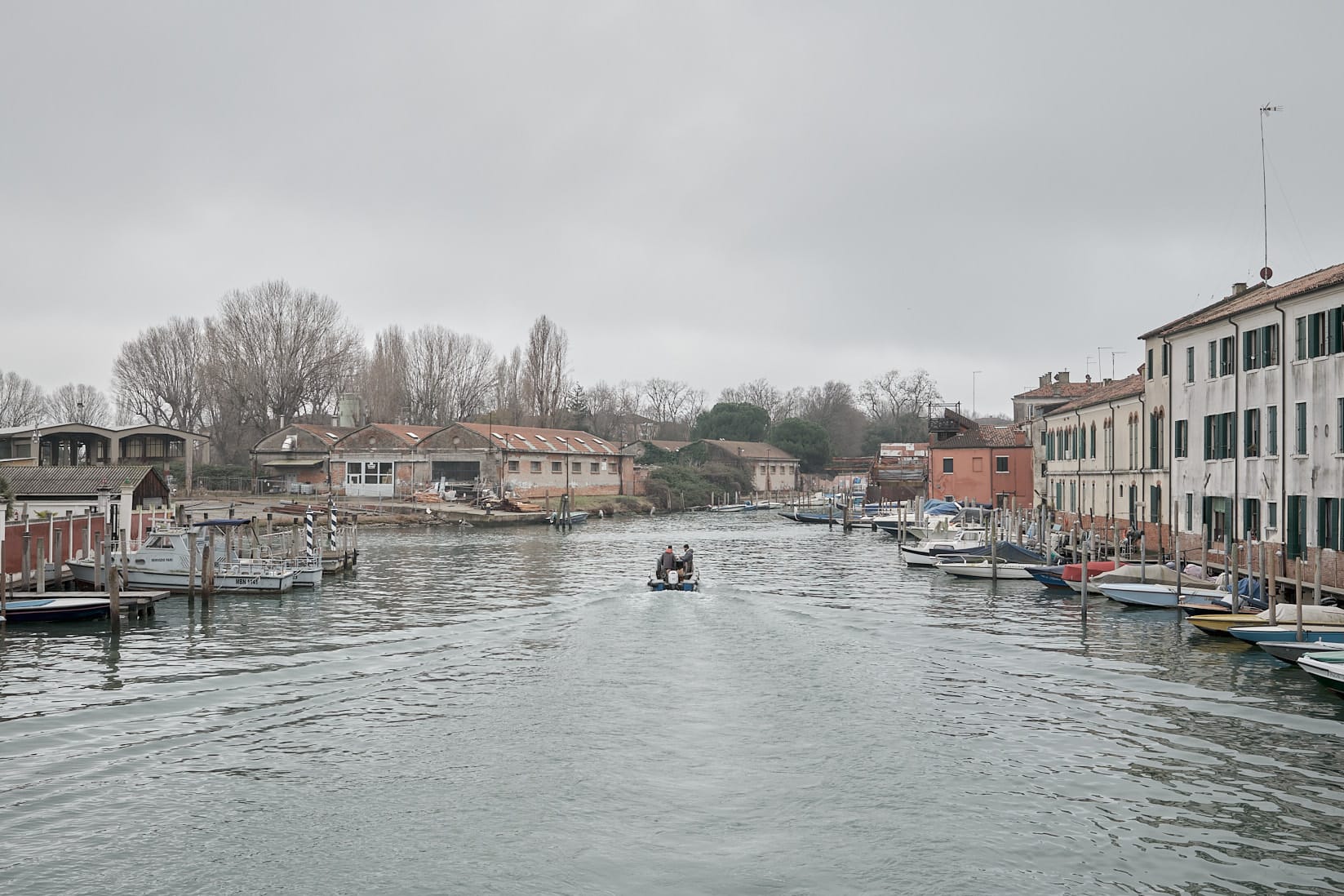
Sant’Isepo — Venetian for Saint Joseph — is the final part of the walk. The Chiesa di San Giuseppe di Castello (16th century) looks over a small, peaceful campo. In summer, laundry lines stretch across the Rio di Sant’Isepo, giving the area a lived-in charm.
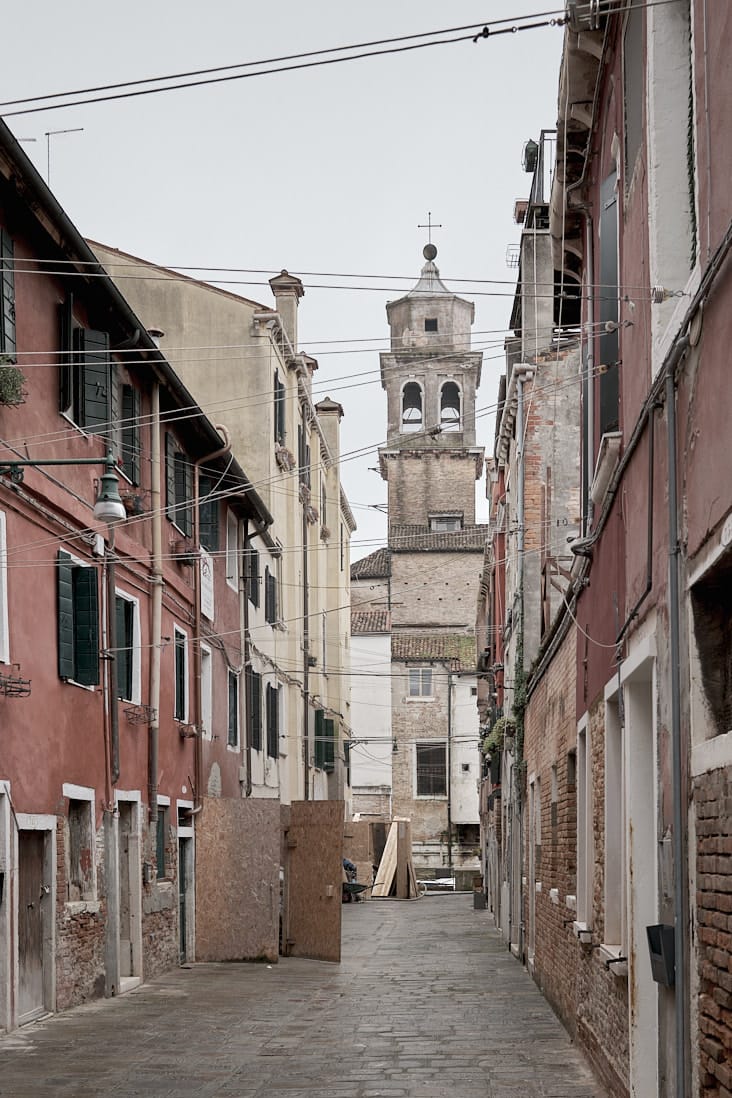
Past the bridge and along the church, you reach Osteria Sant’Isepo. A nearby archway leads back toward the Biennale Gardens and the lagoon, among statues and quiet corners.
The walk takes about an hour, maybe an hour and a half. Take it slow, and it’s a nice place to finish with a meal.