The Orto Giardino del Santissimo Redentore
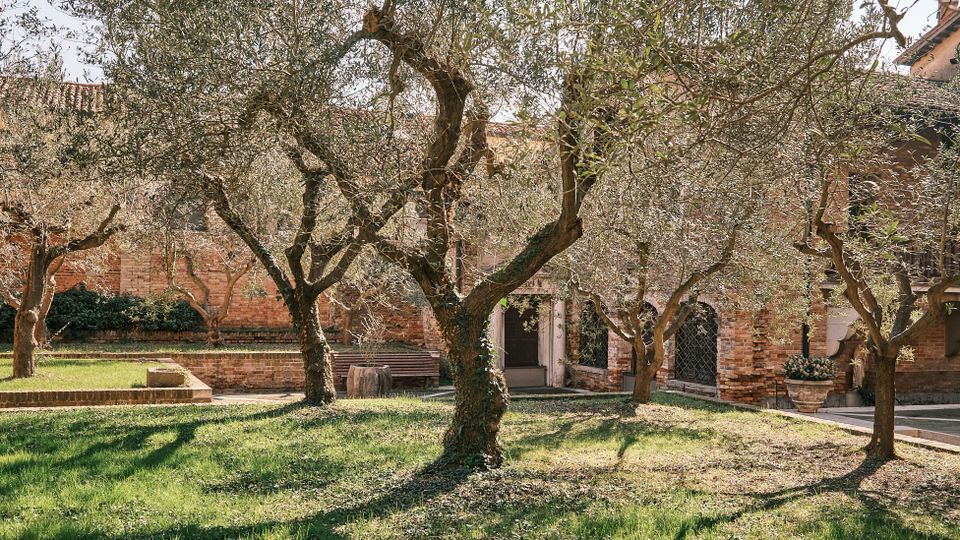
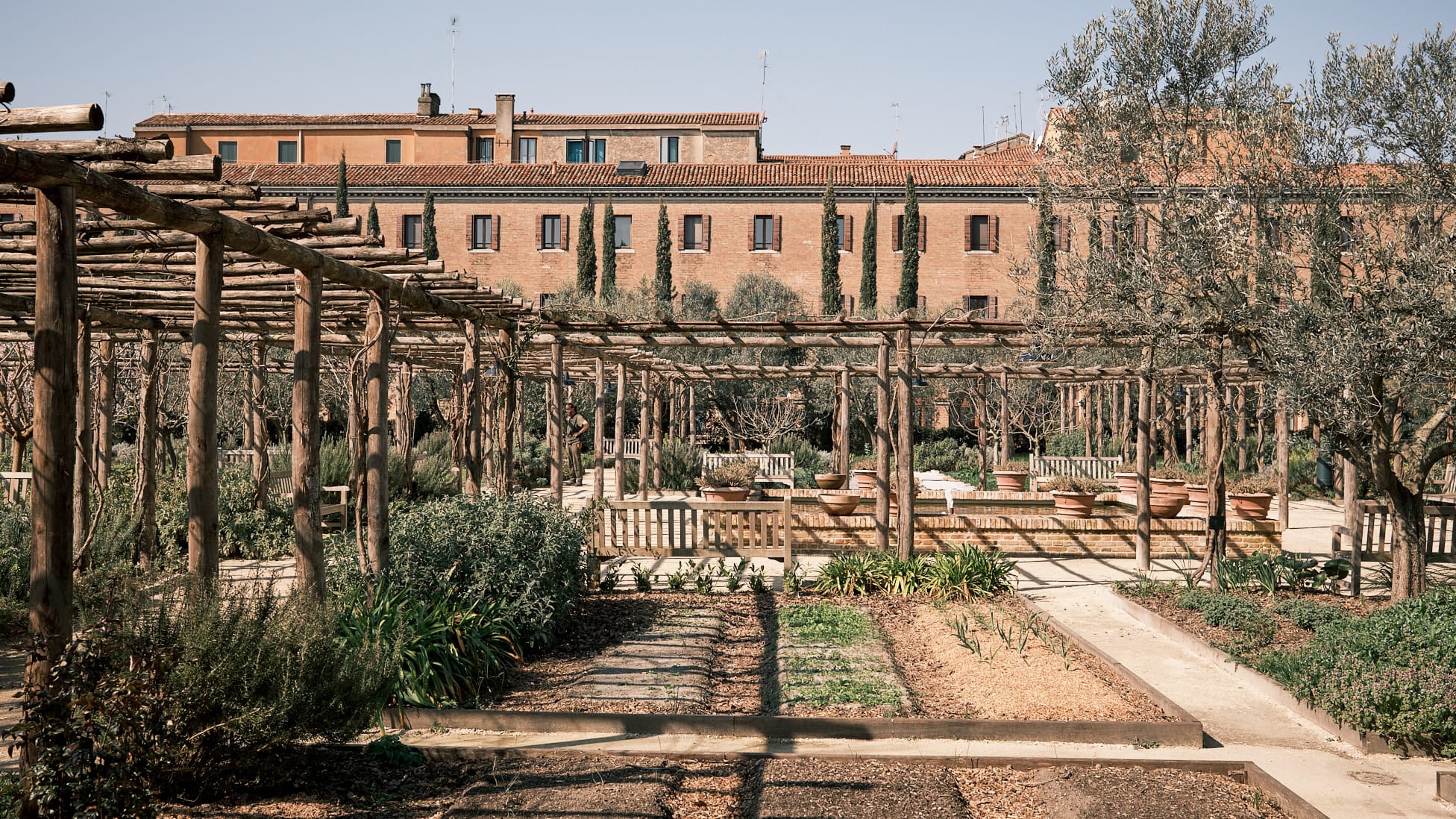
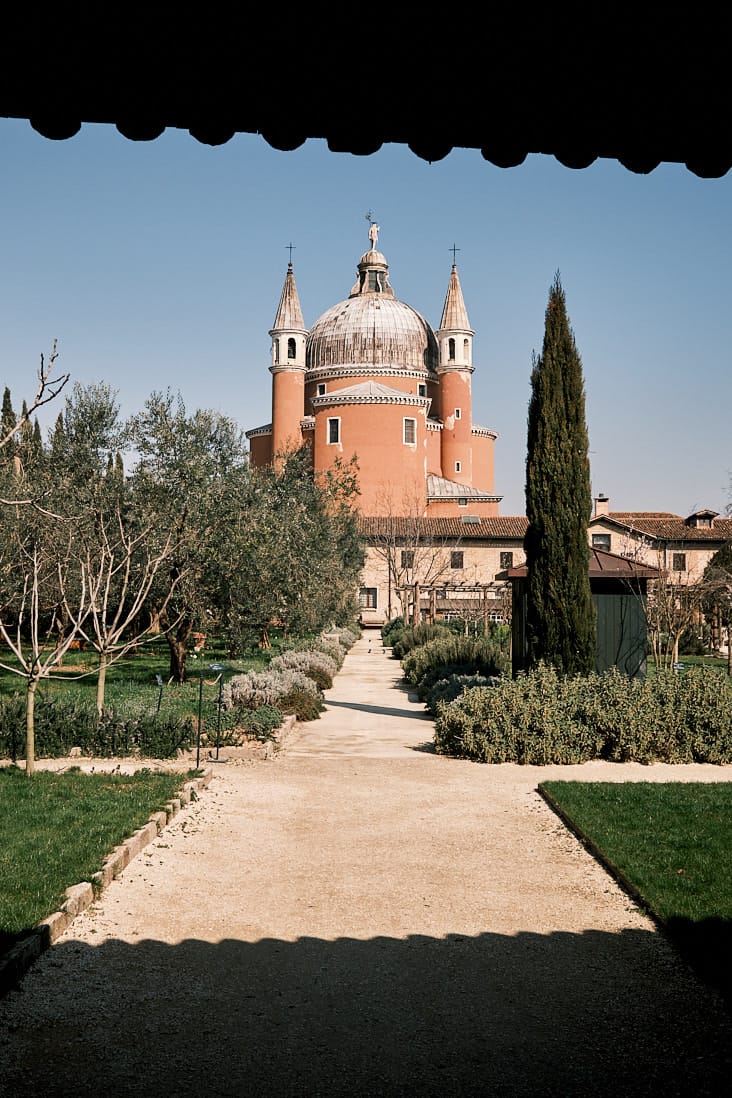
The Orto Giardino del Santissimo Redentore sits behind a wall that kept it closed for centuries. Inside, the space opens wide. It is larger than expected, with long paths, cultivated beds, and a sense of order that feels natural, not designed to impress.
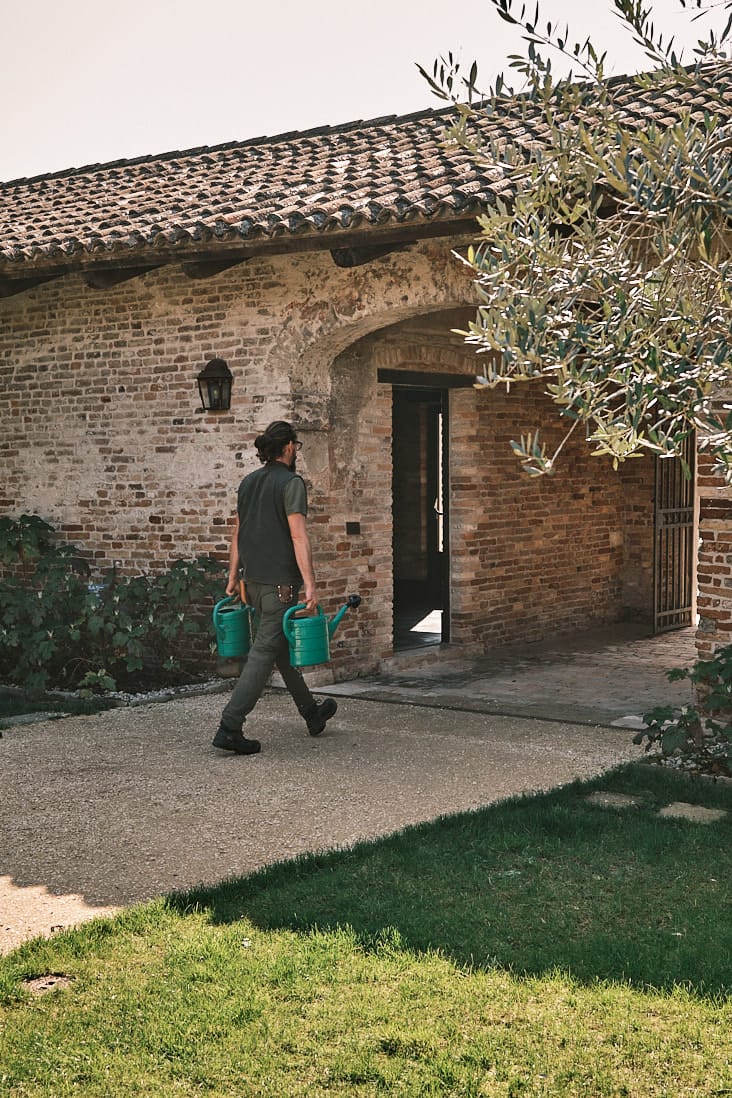
The garden still follows its original rhythm. It was a place of work and reflection for the Capuchin friars, and this remains in the way it is maintained. Everything is precise, but never rigid. You can walk without direction, without feeling guided.
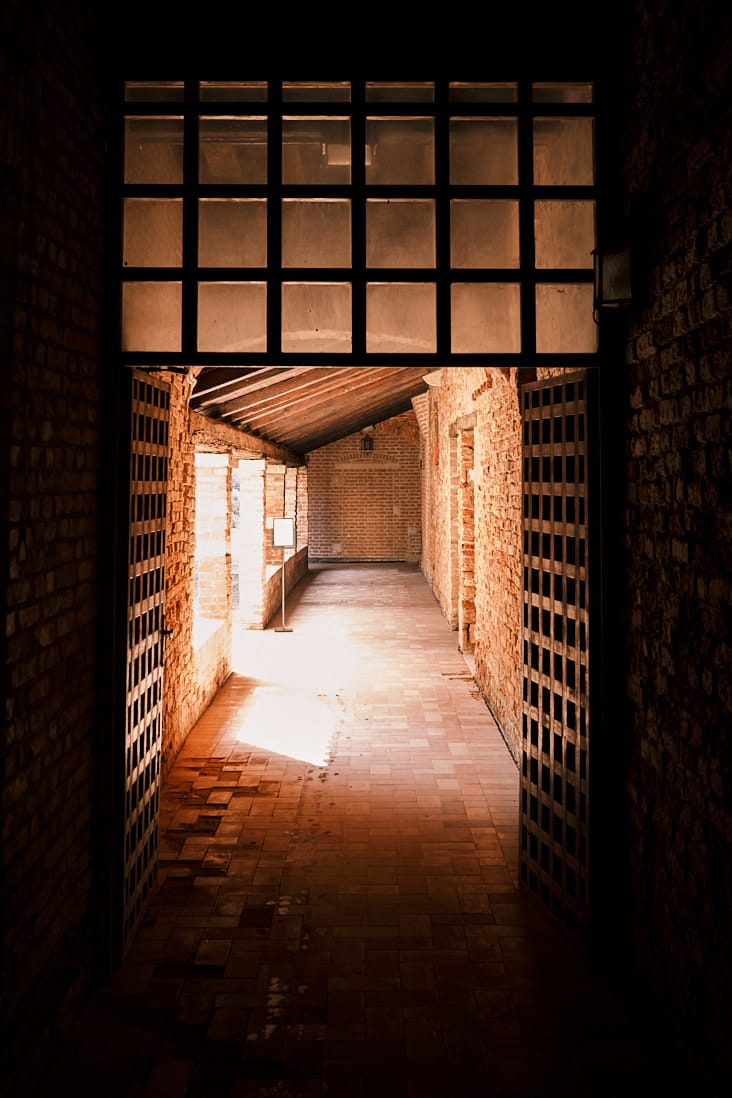
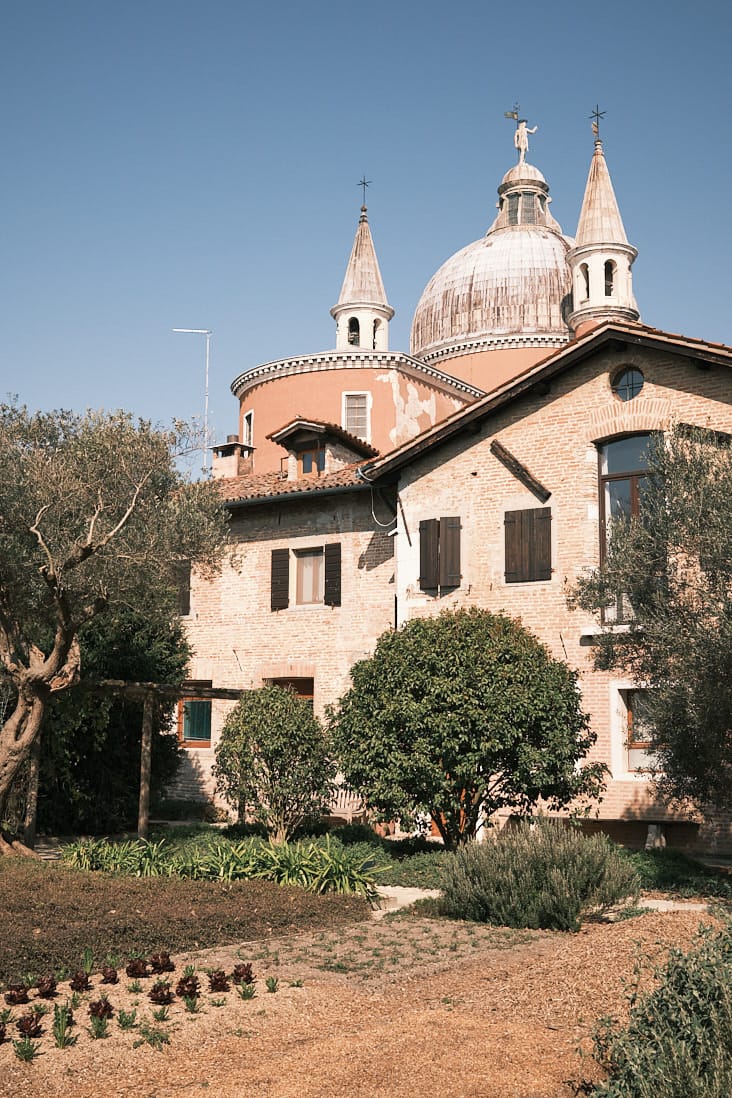
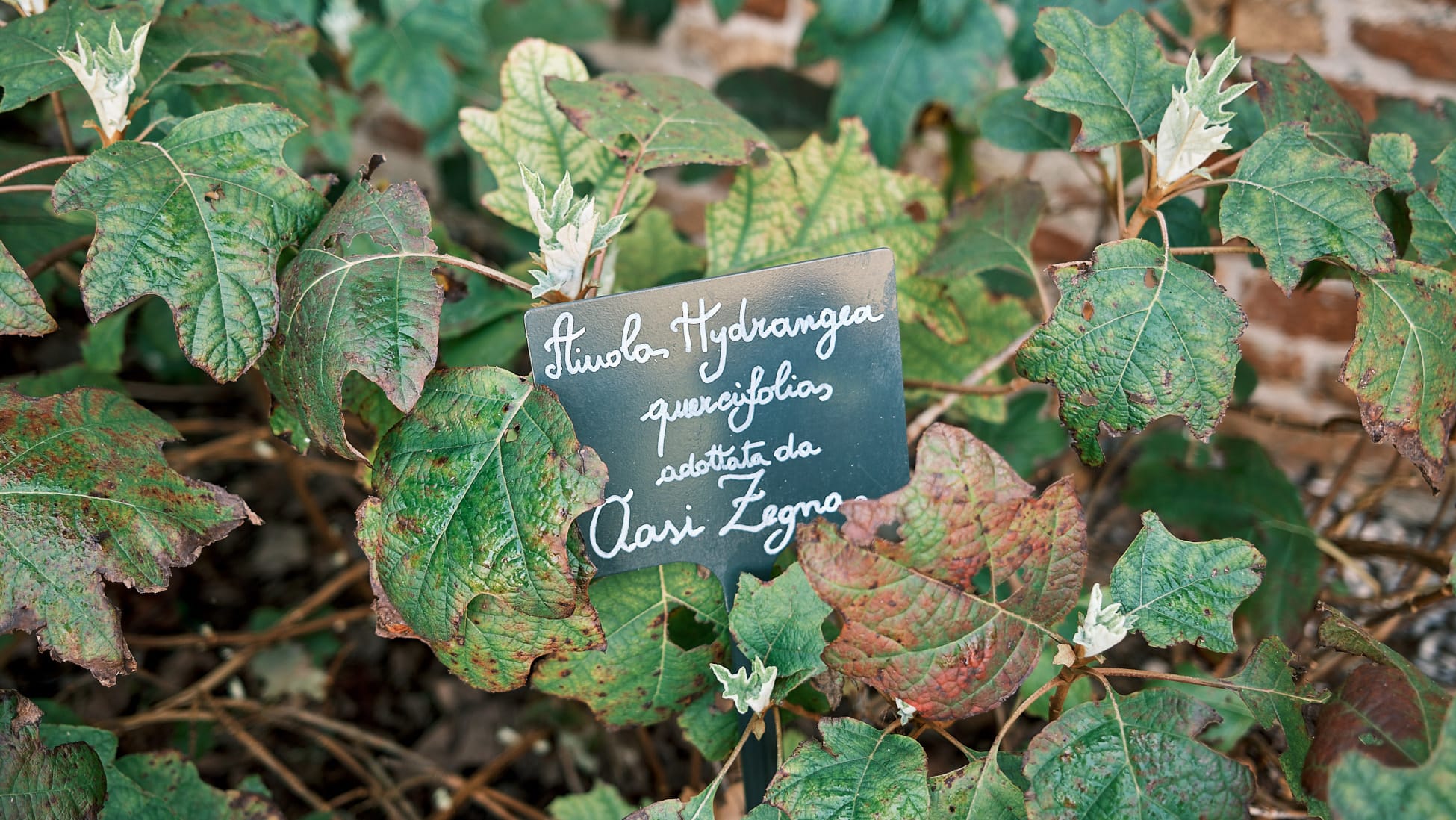
At this time of year, the plants are in between stages. Some areas are just starting, others are still low and quiet. Near the entrance, the smell of helichrysum arrives first—dry, slightly sweet, close to licorice. A Sicilian sage grows nearby, pale and soft. Further along, small groups of nepeta and verbena appear, spaced without urgency. Labels are there, but they stay in the background.
People move slowly through the space. Some sit on the edges of the paths, others read. A guide speaks when asked, without interrupting the atmosphere. The garden does not need explanation.
Parts of the cultivation are supported by different institutions, small sections that help maintain the project. Still, the space feels continuous, without breaks.
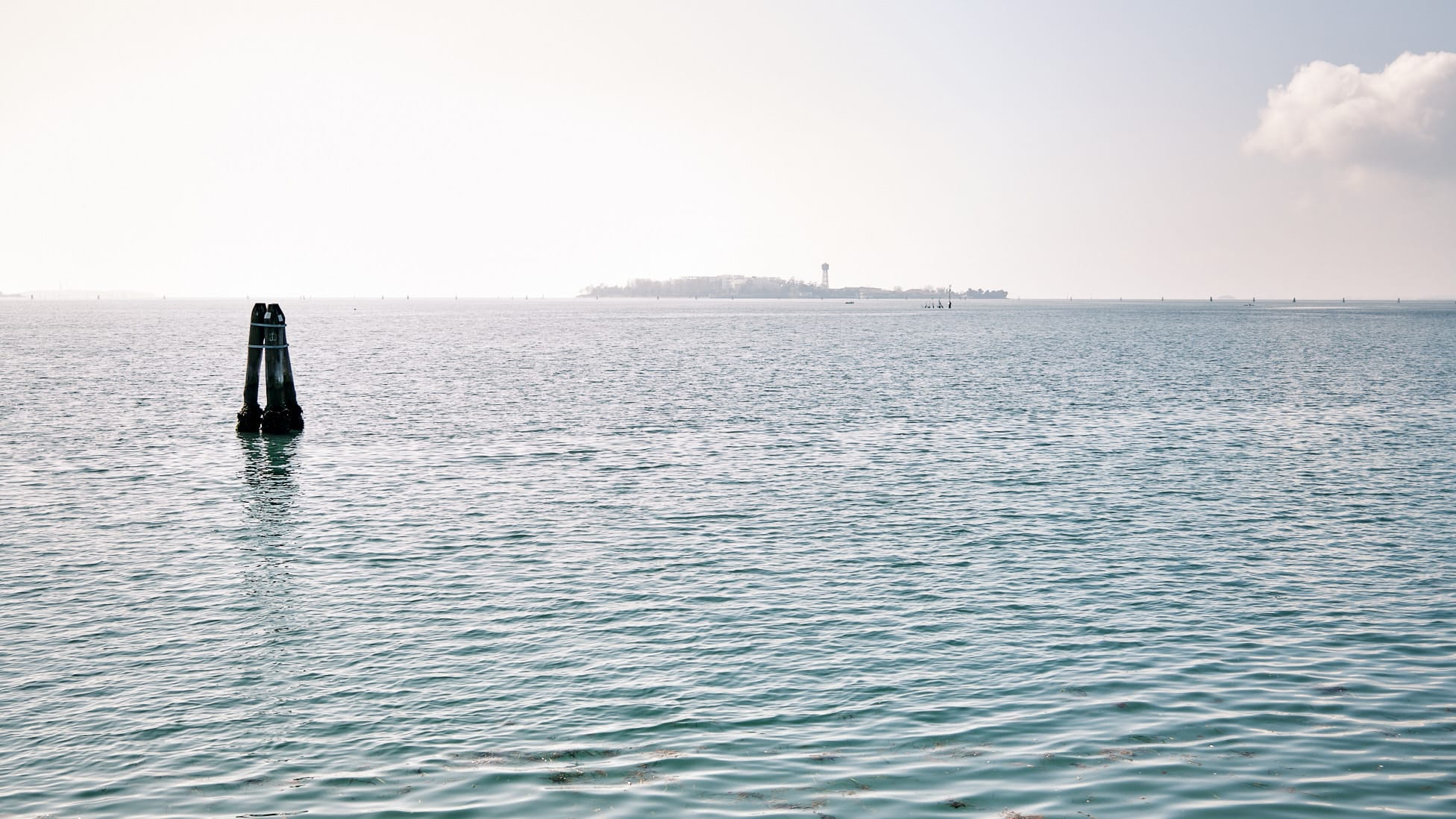
Toward the southern edge, everything opens again. A line of benches faces the lagoon. The view is wide and low, reaching the islands—Sacca Sessola and Isola delle Rose—almost flat in the distance. There is a small structure, like an open theatre, quiet and empty.
The garden has only recently been opened to the public, after a long period of closure, through the work of the Venice Gardens Foundation. It is part of a larger project, but here it feels contained, almost local.
Visitors arrive in a scattered way. Some return regularly, others come once, moving carefully, as if testing the space. It does not present itself as a destination.
On the way out, the smell near the entrance comes back again, briefly. Then the wall closes behind you, and the city resumes.